


Most exclusion does not begin with open rejection. It begins with a pause, a preference, a habit, or a silent rule that no one names. We have seen this in teams, schools, hiring rooms, and daily conversations. A person is not openly pushed out. Still, they are not fully let in.
Unconscious exclusion happens when decisions look neutral on the surface but keep producing narrow outcomes.
That is why patterns matter. One isolated choice may tell us little. Twelve repeated patterns tell us much more. They show what a group trusts, what it fears, and whose presence it treats as natural.
Where exclusion hides
Many of us like to think exclusion only appears in harsh language or clear discrimination. In real life, it often hides in process. It sits inside who gets heard first, who is seen as ready, and whose mistakes are treated as permanent.
Bias often sounds reasonable.
We also know from a large multi-university study on promotion and tenure decisions that underrepresented minority faculty received more negative votes and were less likely to receive unanimous support. The study also found that lower measured output was judged more harshly for some groups, which points to different standards, not just different results.
Below, we will name twelve patterns that often reveal unconscious exclusion in decisions.
The 12 patterns
The first pattern is default trust in familiar profiles. We have all seen this. Someone feels like a safe choice because they look, speak, or think like those already in power. No one says others do not belong. Yet familiarity becomes a hidden pass.
The second is asking some people for proof and others for promise. One candidate is judged by what they might become. Another is judged only by what they have already done. This split standard is subtle, but it shapes futures.
The third pattern is confusing comfort with fit. A room may say, “This person is not the right fit.” Often, what it means is simpler. Their style challenges the group’s habits. Fit then becomes a polite word for sameness.

The fourth is interrupting without noticing who gets interrupted. We may dismiss this as personality. But when the same kind of person gets cut off again and again, exclusion is no longer random. It has become normal behavior.
The fifth pattern is treating directness differently depending on who shows it. In our experience, one person is called clear and confident. Another, using the same tone, is labeled difficult. The words used to describe people often reveal the bias behind the decision.
The sixth is waiting for unanimous certainty only with certain groups. Some people are approved with mild confidence. Others need near perfection. This becomes even more visible when group process is weak. Experimental evidence on hiring decisions showed that bias favoring male applicants disappeared in unanimous group decisions but returned under single-leader structures. Process itself can carry exclusion.
The seventh pattern is using past access as proof of merit. A person with polished experience may look stronger, but we need to ask how they gained access to those chances in the first place. Opportunity and merit are linked. Pretending otherwise hides unfairness behind neat language.
The eighth is dismissing lived reality as overreaction. When people name exclusion, they are often told they are too sensitive, too political, or misreading the room. That reaction protects the group from self-examination.
The ninth pattern is making “objective” decisions with subjective inputs. We may rely on ratings, impressions, or scorecards that look fair but are filled with human judgment. Even lending decisions show this problem. An analysis of mortgage application denials found that Black applicants were more likely to be denied than White applicants even after controls for creditworthiness, with elevated denial risks for Latinx and Asian applicants too. When gaps remain among well-qualified applicants, the process deserves closer attention.
The tenth is hearing difference as threat. A new voice enters with another way of seeing the issue. Instead of curiosity, the group reacts with tension. We have noticed that when people feel internally insecure, they often label challenge as disruption.
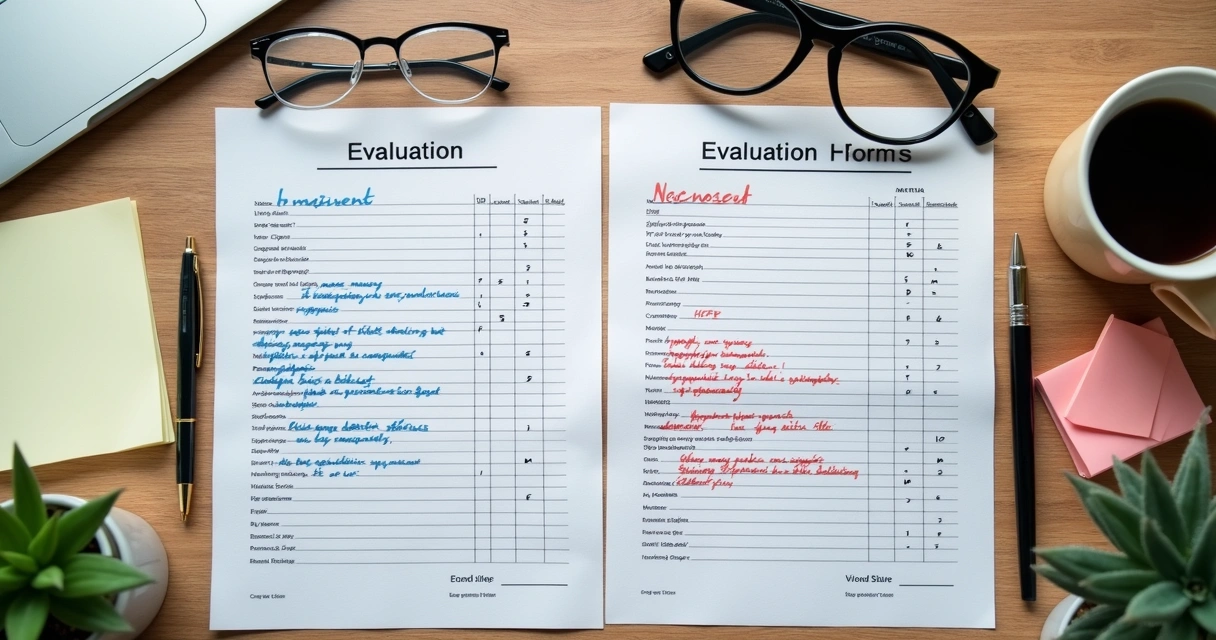
The eleventh pattern is confusing speed with fairness. Fast decisions can feel smart. They can also lean on hidden bias. The quicker the choice, the more likely people are to use mental shortcuts, old assumptions, and untested impressions.
The twelfth pattern is calling the outcome fair because the rule was the same. Equal rules do not always create equal treatment. If people begin from different levels of access, support, and safety, the same rule may carry very different weight.
How these patterns show up in real life
We once watched a group discuss two candidates with almost identical strengths. One was described as “raw but full of potential.” The other was called “not quite ready.” The room stayed calm. The language stayed polite. But the split was clear. Potential was granted to one person and withheld from the other.
Exclusion often survives through ordinary language, not dramatic acts.
That is why we need better attention, not just better intention. Good intentions do not correct a biased pattern on their own.
Here are a few signs that a decision culture needs review:
The same types of people are repeatedly seen as leadership material.
Feedback for some people focuses on style more than substance.
Mistakes are forgiven quickly for a few, but remembered longer for others.
One decision maker holds too much power without structured challenge.
People from underrepresented groups report strain that others do not notice.
When these signs gather, they are not random. They point to a system of perception.
What we can do instead
The answer is not guilt. It is maturity. We can slow down the process, define standards before names are discussed, compare how feedback changes across people, and ask who had to be exceptional just to be seen as adequate.
Fair decisions require more than equal rules. They require equal regard.
We also think teams should review not only outcomes, but reasoning. Who was called risky? Who was called promising? Who had to explain themselves twice? These questions can reveal what numbers alone may hide.
Conclusion
Unconscious exclusion in decisions is rarely loud. It is repeated, quiet, and often wrapped in the language of fairness. The twelve patterns above help us notice where exclusion enters through trust, interpretation, and process. Once we see that clearly, we can choose better. Not perfect decisions, but more honest ones. That shift changes more than one meeting or one hire. It changes the kind of culture we keep building together.
Frequently asked questions
What is unconscious exclusion in decisions?
Unconscious exclusion in decisions happens when hidden assumptions shape choices in ways that leave some people out, even when no one openly intends harm. It often appears in hiring, promotions, evaluations, lending, and team discussions.
How to identify exclusion patterns?
We identify exclusion patterns by looking for repeated outcomes and repeated language. If the same groups are interrupted more, trusted less, judged more harshly, or asked for more proof, there is likely a pattern that needs attention.
Why do unconscious biases affect decisions?
Unconscious biases affect decisions because people rely on quick mental shortcuts. These shortcuts are shaped by habit, culture, fear, and familiarity. Without reflection and structure, they can guide choices more than facts do.
What are common signs of exclusion?
Common signs include unequal standards, vague comments about fit, repeated interruptions, narrow leadership pipelines, and a pattern where some people are seen for potential while others are judged mainly for risk or mistakes.
How can I reduce exclusion in teams?
We can reduce exclusion in teams by setting criteria before discussions begin, sharing decision power, reviewing language used in feedback, slowing down rushed judgments, and checking whether outcomes stay fair across different groups over time.