

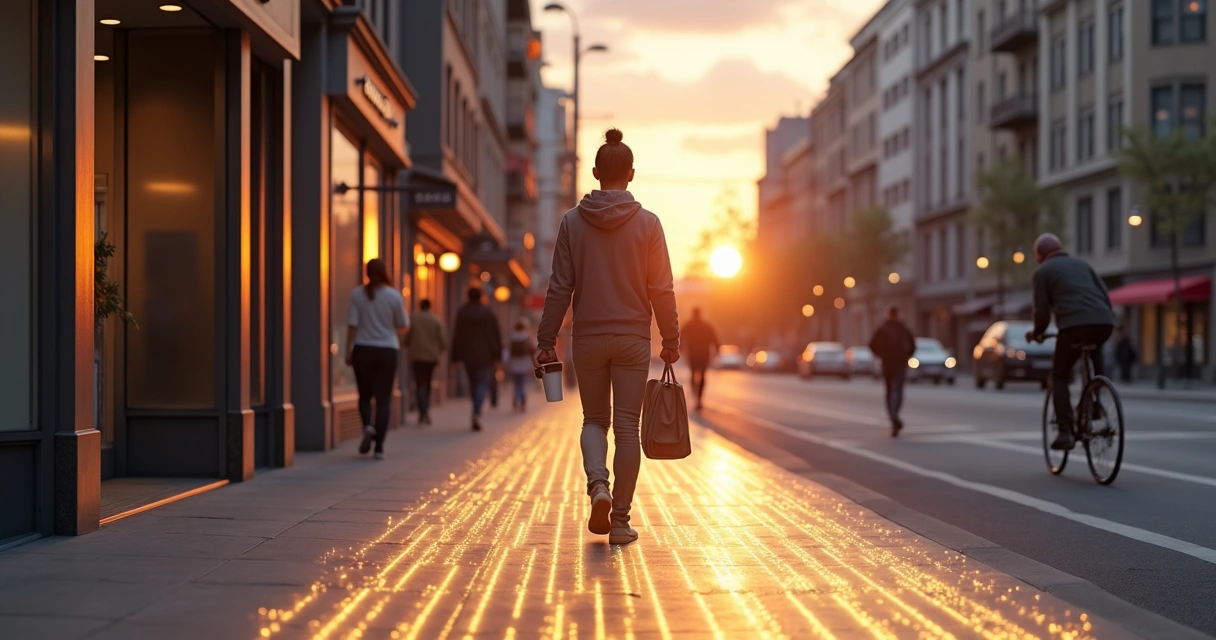
We often think of routines as private matters. We wake up, check our phone, skip breakfast, rush to work, delay sleep, and repeat. It seems personal. It is not. Each repeated act shapes our inner state, and our inner state enters every room before our words do.
Personal routines affect social field resilience because repeated inner states become repeated social signals.
By social field resilience, we mean the capacity of a group, family, workplace, or community to remain stable, humane, and cooperative under strain. This strength is not built only by policies or plans. It is built by the quality of attention, emotion, and behavior that people bring each day.
We have all felt this without naming it. One calm person can lower tension in a meeting. One reactive person can tighten the whole atmosphere. A routine may look small on the clock, yet large in its effect.
Why the social field starts at home
Before people shape institutions, they shape mornings. Before they influence culture, they influence breakfast tables, inboxes, sidewalks, and shared spaces. Social fields do not appear from nowhere. They are made of tone, rhythm, trust, and response.
When our personal routines support rest, reflection, and order, we tend to bring more patience and less fragmentation into shared life. When our routines are chaotic, the strain does not stay inside us. It travels.
Private habits become public climate.
A simple example helps. We may sleep badly for several nights, then enter a conversation already irritated. We interrupt more quickly. We interpret neutral comments as threats. We give less warmth. None of this feels historic in the moment. Yet repeated across many people, it weakens the social field.
This is one reason routine matters so much. It is not only self-care. It is social participation.
How routines spread effects
Human beings are porous. We affect one another through mood, attention, body language, timing, and reliability. A routine is powerful because it is not a single act. It is a pattern, and patterns train our nervous system.
In our view, routines shape the social field in at least four ways:
They regulate emotional tone before contact with others.
They influence reliability, which supports trust.
They affect our ability to listen without defense.
They shape whether we add steadiness or pressure to shared spaces.
When many people follow routines that feed exhaustion, hurry, and distraction, communities become easier to destabilize. Misunderstandings rise. Patience falls. Short-term reactions take over.
Resilient groups are often built by ordinary people practicing ordinary steadiness every day.
The hidden force of sleep and timing
Sleep is one of the clearest examples. We may call it personal, but research shows a direct social effect. An experimental study published in Nature Communications found that one night of sleep deprivation increased social withdrawal, loneliness, and behavioral distancing. Even modest night-to-night sleep reductions were linked to social disengagement that others could perceive.
That means poor sleep does not only make us tired. It can make us less available to human connection. In shared life, this matters. A less open person contributes less safety to the field around them.
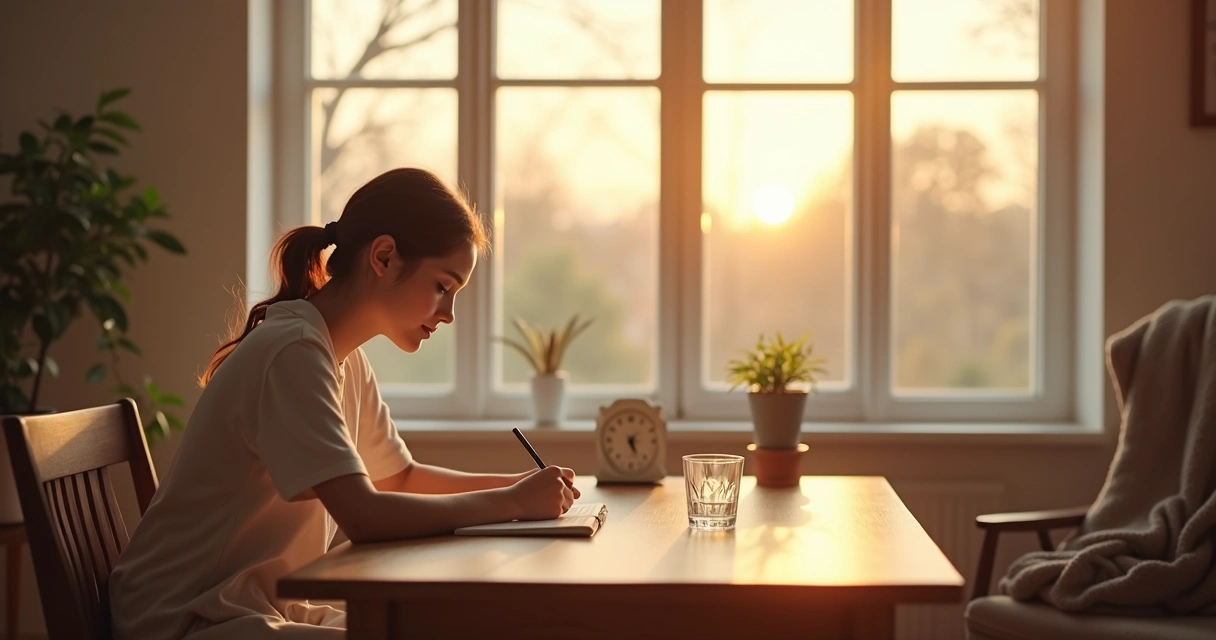
We also see how social habits disturb rest. A residential-college study published in Sleep found that when students delayed bedtime to socialize, they got about 1.4 hours less sleep and reported worse mood and more daytime sleepiness the next day. This reveals a cycle many of us know well. We stretch our limits to stay connected, then show up less well in the very relationships we wanted to keep.
Sleep, then, is not only biological recovery. It is moral preparation for contact.
Routines that weaken shared resilience
Not every routine supports social stability. Some patterns train us into fragmentation. We have noticed that a few are especially corrosive when repeated over time.
Starting the day with alerts and noise instead of orientation.
Skipping pauses until irritation builds into conflict.
Living in chronic lateness, which teaches others they must absorb our disorder.
Going to sleep without mental closure, then waking in unfinished tension.
These habits do not make someone bad. They make someone more easily dysregulated. And dysregulation spreads. We have all entered a room where no one was shouting, yet everyone felt unsettled. Often, that atmosphere has been built by many small routines that erode presence.
Routines that strengthen the field
The good news is that social resilience can be grown through plain practices. No grand gesture is required. What matters is repeatability.
We find that the most helpful routines often share three traits. They lower inner noise, increase self-awareness, and improve the quality of contact. This can include:
A quiet start to the day before digital input.
Regular sleep and wake times.
Brief moments of breathing or reflection before tense conversations.
Daily movement to discharge accumulated stress.
Small acts of order, such as preparing for the next day before sleep.
A strong routine does not control life. It prepares us to meet life without collapsing into reaction.
One person doing this consistently can influence more than we first assume. We remember the kind of person who enters pressure without adding pressure. Their routine may be invisible to us, but its effects are not.
The story inside repetition
Every routine tells a story about what we are rehearsing. Are we rehearsing haste, self-abandonment, and scattered attention? Or are we rehearsing steadiness, honesty, and care?
One short scene makes this plain. We imagine two coworkers entering the same difficult morning. One slept little, rushed out the door, and arrived mentally flooded. The other took ten quiet minutes before leaving, ate simply, and came in centered. Both face the same problem. Yet each adds a different force to the group.
The meeting follows the stronger field, not the louder voice.
Resilience begins before the crisis.
This is why routine has ethical weight. What we repeat in private becomes part of what others must live with in public.

Conclusion
Personal routines are never only personal. They shape the mind that enters relationships, the tone that enters groups, and the quality of response that enters moments of stress. Social field resilience grows when enough people build lives that support inner clarity, emotional regulation, and dependable presence.
We do not need perfect days. We need honest repetition. A community becomes more stable when its members bring less chaos into contact. In that sense, a bedtime, a pause, a walk, or a silent morning minute can carry more social value than they first appear to hold.
Frequently asked questions
What is social field resilience?
Social field resilience is the ability of a group or community to stay cooperative, stable, and humane during stress. It comes from shared trust, emotional steadiness, and the way people respond to pressure together.
How do personal routines influence resilience?
Personal routines influence resilience by shaping our mood, attention, and behavior before we meet others. Good routines can help us stay calm and reliable. Poor routines can increase irritation, withdrawal, and confusion in shared spaces.
Can habits improve my community’s resilience?
Yes. Habits such as regular sleep, quiet reflection, movement, and respectful timing can improve the quality of your presence. When repeated, these habits support trust and reduce avoidable tension in the people around you.
What are examples of effective personal routines?
Effective routines include going to sleep at a consistent hour, starting the day without immediate screen use, taking short pauses before hard conversations, keeping simple order in daily tasks, and making time for movement and reflection.
Is it worth changing my daily routine?
Yes. Changing a daily routine can improve not only personal well-being but also the social atmosphere you help create. Small changes, repeated over time, can make your relationships and your community more steady under strain.