


Alignment is more than just an inner experience. It’s the steady connection between what happens in our minds and what unfolds in the outside world, linking emotion, thought, and practical living. Many have sensed those moments when life flows smoothly, when our decisions mirror our values and our actions feel truly ours. But how do we invite more of these moments, making alignment the rule instead of the exception? We believe the answer lies in the rituals we choose each day.
What do we mean by inner-outer alignment?
When we talk about inner-outer alignment, we refer to the harmonization of our inner world, our beliefs, values, emotions, and intentions, with our outer actions and the life situations we create. When our inside matches our outside, we feel stable, powerful, and authentic. This state is foundational for lasting change, sound relationships, and well-being.
When we align what we feel, what we think, and what we do, stability follows.
The following seven rituals are practical, simple, and powerful ways that we use to strengthen this alignment every day. Each has grown out of the understanding that the personal influences the collective, that our individual consciousness shapes our shared world.
Ritual 1: Morning intention setting
The beginning of each day offers a unique opportunity. Rather than jumping straight into tasks, we pause for a moment. Each morning, we practice a form of intention setting. This means sitting quietly, before screens or discussions, asking ourselves:
- What quality do we wish to bring to today?
- What attitude or value will guide our choices?
- Which actions would make us proud at the end of the day?
We suggest using no more than three words to anchor your intention, for example, "clarity," "compassion," or "courage." Keep these words in mind as the day’s touchstone.
Intention shapes direction long before action begins.
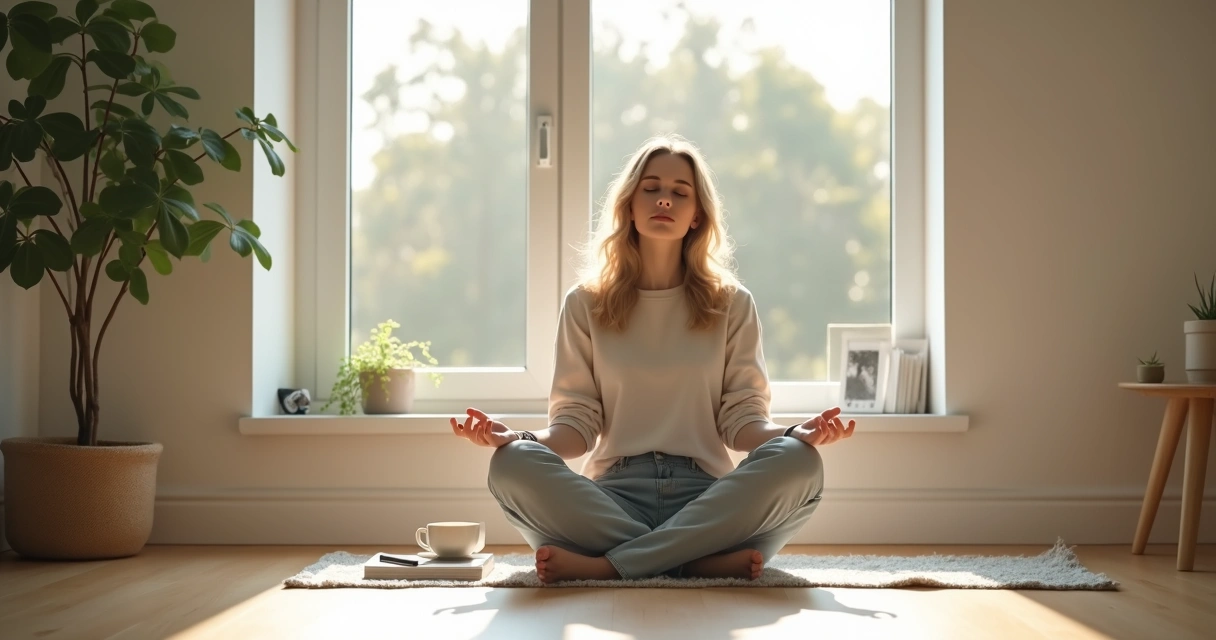
Ritual 2: Conscious breathing pauses
During the day, stress and distractions can throw us out of balance. We’ve found that conscious breathing, even for just one minute, can restore alignment. We recommend:
- Stopping before reacting in challenging moments
- Taking 3–5 slow, full breaths, focusing only on the movement of air
- Allowing the breath to soften your body and thoughts
Deliberate breathing grounds the mind and helps reconnect inner intention with outer response. This means we respond with more clarity instead of simply reacting from habit.
Ritual 3: Emotional check-ins
We often ignore or push aside difficult emotions, creating a gap between our true inner state and our outer behavior. To close this gap, we practice mid-day emotional check-ins. This ritual only takes a few moments:
- Pause wherever you are
- Ask yourself: What am I feeling right now?
- Name the emotion without judging it
Simply acknowledging our true feelings, even quietly to ourselves, lets us make choices from a place of truth, not from denial or avoidance. This kind of honesty fuels always-on alignment.
Ritual 4: Authentic communication
Throughout the day, many interactions are automatic, hello, fine, thanks. We make it a ritual to bring at least one authentic communication into our daily routine. This means sharing honestly, even if it’s just one thought or feeling, in a conversation with a colleague, friend, or family member.
- Saying what is real for us
- Listening without jumping to correct or fix
- Allowing mutual respect in every exchange
Ritual 5: Purposeful movement
Physical movement is not only for health; it’s also a key way to align mind and body. We integrate movement that feels meaningful, like a slow walk, mindful stretching, or even intentional gestures before key transitions. The way we move, when done consciously, brings our thoughts and body into sync.
Movement makes invisible intentions visible.
Try adding mindful transitions: stand and stretch before an important call, or take a few slow steps outdoors after intense thinking. This resets the system and brings a grounded focus.

Ritual 6: Evening reflection and release
How we end the day is just as meaningful as how we start it. We practice an evening ritual of reflection and release. Before sleep, we spend a few quiet minutes asking:
- Where today did my actions reflect my inner values?
- Where was there a gap?
- What can I let go of, mistakes, worries, tension?
We may write these answers in a journal, or simply reflect in silence. Letting go of what’s unfinished or misaligned prepares us to start fresh the next day.
Ritual 7: Conscious engagement with community
Much of who we are is shaped by whom we connect with. We engage in weekly or daily acts that foster community and shared meaning. This may look like:
- Supporting a group cause that resonates with our values
- Checking in on someone who might feel isolated
- Offering help without expectation
When we give or connect with awareness, we naturally align our private intentions with the world around us.
Alignment expands from the self to the collective.
Making these rituals your own
We see these rituals as seeds rather than rules. Not every day will allow all seven; not every person will need the same frequency. If just two or three of these rituals become habits, the change can be strong. Consistency, not perfection, is what truly matters.
Moments of real alignment might feel rare at first, but with each day we practice, the foundation becomes more stable. Our inner world becomes clearer, our actions more true, and our relationships deeper and more lasting.
In conclusion
In our experience, stable inner-outer alignment is possible for anyone willing to practice with openness and honesty. Each ritual is a bridge, small but powerful, linking the invisible world within us to the visible world we share. The choice to create alignment is not a single action, but a path built day by day.
If we want more inner peace, clearer direction, and soulful connection with others, the answer is not far away. It lives in these moments of attention, reflection, and unfiltered action. What we bring inside changes what we build outside.
Frequently asked questions
What is inner-outer alignment?
Inner-outer alignment is the harmony between what we think and feel internally and the actions we take externally. It means living in a way that our private beliefs, values, and emotions guide our choices and impact the world around us. This balance leads to a sense of stability and authenticity.
How can I practice these rituals daily?
We suggest starting small. Choose one or two rituals that fit naturally with your current lifestyle. For example, begin your day with a simple intention, or pause once daily to check in with your breath and emotions. As you feel more comfortable, gradually add other rituals without pressure for perfection.
Are these rituals backed by science?
Many aspects of these rituals, such as conscious breathing, self-reflection, movement, and authentic communication, have been studied and shown to provide positive benefits for mental, emotional, and relational well-being. Research supports the power of intention, mindfulness, and community engagement for overall well-being and life satisfaction.
Who can benefit from these rituals?
Anyone seeking greater peace, authenticity, and impact in their life can benefit from these rituals. They are designed to be accessible regardless of age, profession, or background. Each person chooses how to shape and adapt the rituals for their unique journey.
How long does each ritual take?
Most rituals can be done in just a few minutes. Morning intention setting and evening reflection might take five minutes each. Breathing pauses can last just one minute. Emotional check-ins and movement can be quickly integrated during the day. The key is regular practice, no matter how short the time.