

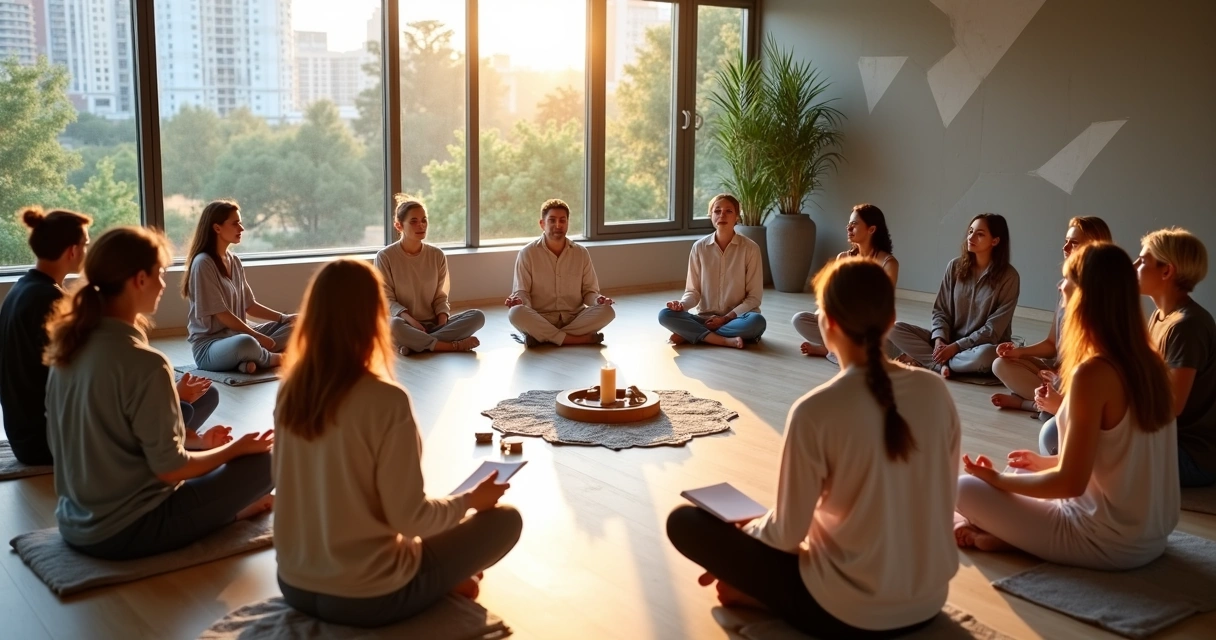
In our collective experience, we have seen community coherence transform from an abstract hope into a lived reality when intention meets concrete action. As we approach 2026, fostering integration and shared presence becomes more than a wish—it becomes our responsibility. Here, we share fifteen integration exercises that nurture connection, deepen understanding, and anchor the foundations for truly coherent communities. These practices are designed for diverse groups, multigenerational or multicultural, and are adaptable to most contexts.
The power of conscious integration
At the core of every strong community lies a fabric of shared presence. We have noticed how, when people engage with commitment and empathy, even differences become fertile ground for real growth. Integration exercises are invitations—moments where we bring our full attention to the group and to each individual story present.
When we choose to integrate consciously, we do more than avoid conflict: we unlock collective intelligence and compassion.
From small gatherings to larger organizations, these practices give rise to what we might call a living field—a space where everyone is both seen and heard, and where the sum is greater than its parts.
1. Heartfelt introductions
Begin with more than just names—invite each participant to share something meaningful about themselves. It could be a value, a recent moment that made them smile, or an intention for the gathering.
What we share first can set the tone for everything that follows.
2. The ‘circle of presence’
Gather everyone in a physical or virtual circle. Each person, in turn, states how present or distracted they feel, and why. No need to solve, just to acknowledge. This simple step can bring a wave of honesty and relief to the space.
3. Silent collective breath
Invite the group to close their eyes and breathe together in silence for two to five minutes. Focus on synchronizing breaths. This gentle pause often helps tension drop away and brings immediate coherence.
4. Appreciative pair sharing
Split the group into pairs. Each partner spends three minutes sharing one thing they appreciate about their life right now while the other listens with full attention. Then, switch roles. No comments, no problem-solving—just deep listening.
5. Group intention setting
As a whole group, craft a clear intention for your time together. It could be a phrase or a single word. Write it on a visible board or paper, so everyone holds it in their awareness.
6. Story weaving
Invite three or four members to share a five-minute story about a formative experience related to your group’s purpose. Ask the group, after listening, to reflect on common themes.
This exercise opens pathways to empathy and shared identity.
7. Active listening rounds
Everyone, one by one, expresses a thought or feeling about the topic at hand. The next person is required to repeat what they heard before adding their own. This builds a sense of being heard as well as careful attention to others.
8. Mapping connections
Give everyone sticky notes or virtual post-its. Each person writes three things they care about deeply. Place these on a wall or digital board and invite the group to draw lines or connections between similar items. The resulting map often shows surprising areas of shared meaning.
9. Compassion circle
In a circle, invite people to voice a challenge they are facing. Others, without offering advice, share short messages of understanding or encouragement.
This practice shifts the energy from judgment to support, deepening trust within the group.
10. Community agreements co-creation
Rather than enforcing preset rules, co-create agreements for interaction. Ask everyone what they need to feel safe and valued. Write these agreements together, allowing edits and additions until there is genuine consensus.

11. Walking dialogues
Pair people up and ask them to take a short walk—indoors or outdoors—while discussing a meaningful prompt. The act of walking side by side often leads to more relaxed and honest conversation.
12. Celebrating differences
Host a session where each person shares one thing about themselves that is unique—be it cultural, personal, or professional. Rather than debate, simply appreciate what is different in the room.
Every difference is an opportunity for connection, not division.
13. Mindful conflict practice
Role-play minor conflicts in pairs or groups, focusing on expressing feelings using “I” statements and listening without interruption. The aim is learning presence, not perfect agreement.
By practicing healthy disagreement, we prepare our community to weather real challenges together.
14. Future visions collage
Hand out magazines, scissors, and glue (or use digital collage tools). Ask participants to create an image of a “thriving community in 2026.” Display all collages and invite each person to share the core idea behind theirs. The diversity of visions can spark new, shared hopes.
15. Collective gratitude ritual
End gatherings with a gratitude circle—each person naming one thing they are thankful for about the group or the shared process. This practice leaves everyone with a sense of closure and warmth.
Bringing it together: Sustaining coherence in 2026
Our path toward greater community coherence is both a choice and a practice. By intentionally integrating these exercises, we nurture more than just connection—we help create cultures of deep responsibility, inner maturity, and genuine belonging.
Coherence begins inside each of us, but it thrives only when we share it.
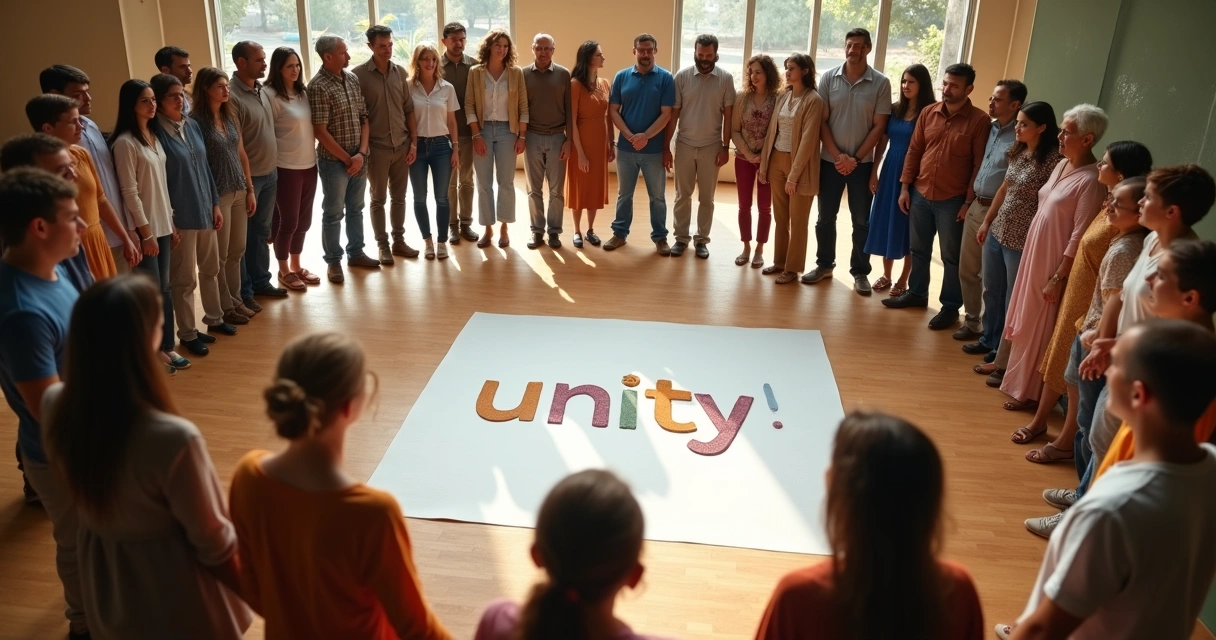
We are confident that by weaving these exercises into our gatherings, both large and small, we can meet the challenges of 2026 with unity and hope.
Frequently asked questions
What are integration exercises for community?
Integration exercises for community are practices or activities designed to bring individuals together, creating stronger mutual understanding and trust. They help groups connect on a deeper level by encouraging sharing, listening, and co-creation. These exercises can be as simple as group sharing circles or as involved as collaborative projects.
How do integration exercises build coherence?
Integration exercises build coherence by promoting presence, shared intention, and empathy among participants. When people engage in activities that honor their voice and experience, they are more likely to feel part of a group, which leads to smoother collaboration and stronger collective well-being.
Which are the best integration exercises?
The best integration exercises are those that match the needs and context of the group. Practices like active listening rounds, heartfelt introductions, and co-creating community agreements have proven especially effective at deepening engagement and fostering inclusion.
How often should we do these exercises?
In our opinion, these exercises should be part of both the beginning of new projects and ongoing group life. Starting with an exercise at each meeting can set a positive tone, while periodic, deeper sessions help maintain and refresh group coherence over time.
Are integration exercises worth the effort?
Yes. The investment of time and energy in integration exercises pays off by strengthening collaboration, increasing trust, and reducing conflict. Over time, we notice groups that use these consistently tend to face challenges with more resilience and empathy.