

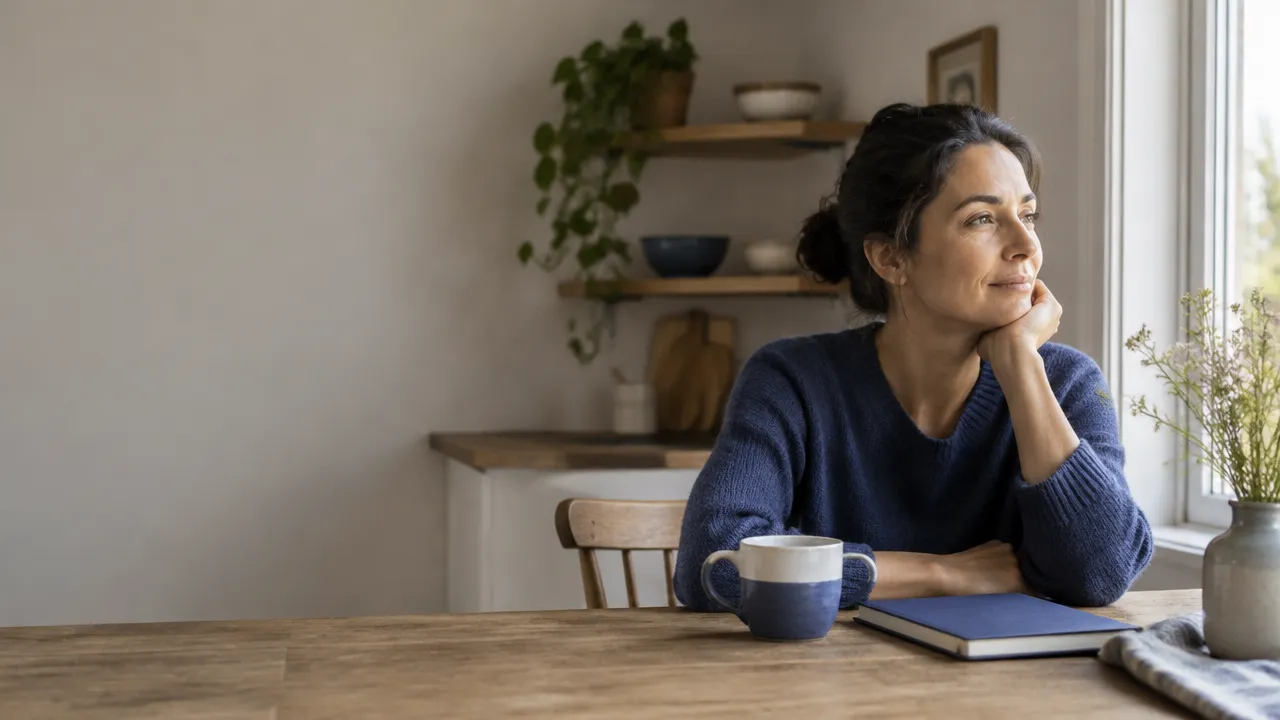
A contemplative practice is an intentional way to train attention, understand your reactions, and act with greater care. It does not have to mean sitting still or clearing your mind. A few minutes of mindful walking, reflective writing, prayer, or attentive listening can fit into an ordinary day when you connect it to a regular moment.
The aim is not to collect calm moments. It is to notice how your inner state shapes what you do next, especially with other people.
Key ideas for making reflection part of daily life
- Choose a practice that fits your beliefs, energy, and circumstances.
- Begin with five minutes linked to an existing daily cue.
- Use a simple sequence: notice, reflect, choose, and act.
- Bring the practice into conversations and transitions, not only quiet time.
- Adjust or stop a method if it consistently increases distress.
What makes an activity contemplative?
An activity becomes contemplative when you approach it intentionally, pay attention to what is happening, and reflect before responding. The method can be active or still, solitary or relational. The point is to become more aware of sensations, thoughts, feelings, and the effects your choices may have.
That distinction matters: a walk taken while scrolling is not automatically reflective, while washing a cup can become a brief practice if you notice the water, your thoughts, and the urge to rush. Attention is the beginning, not the whole process. Ask what your observation reveals about the next action you want to take.
This approach makes inner awareness relevant to daily responsibility. A short reflection before a difficult conversation, for example, can help you notice defensiveness and choose to listen before replying. The aim is not to suppress emotion, but to keep it from making every decision on its own. A guide to applying awareness to daily goals explores a similar bridge between intention and action.
Which kind of practice should you choose?
Start with a format you can repeat without special equipment or ideal conditions. Different methods invite different kinds of attention, so choose one that suits the moment rather than assuming there is a single correct way.
| Practice | Simple example | Useful focus |
|---|---|---|
| Stillness | Sit and notice the natural rhythm of your breathing | Steadiness and observation |
| Movement | Walk slowly and feel each step | Embodied attention |
| Writing | Journal about a reaction without editing yourself | Patterns and perspective |
| Relational | Listen to someone without planning your reply | Presence and empathy |
| Prayer or reading | Reflect on a short passage or familiar prayer | Meaning and connection |
These forms can be secular or religious. Pick one that feels respectful and accessible to you. A practice does not become more valuable because it is elaborate, unfamiliar, or difficult.
How do you start a short daily routine?
A repeatable five-minute routine is a better starting point than a demanding schedule you soon abandon. Attach it to an existing cue, such as after making tea, before opening your inbox, or just after arriving home.
- Settle: Sit, stand, or walk somewhere you feel reasonably comfortable.
- Notice: Pay attention to your posture, surroundings, and natural breathing.
- Name: Identify one thought or feeling without treating it as a command.
- Reflect: Ask what this moment calls for, such as patience, honesty, or a clear boundary.
- Choose: Name one small action that expresses that quality today.
Keep the steps uncomplicated. If your attention wanders, notice that it wandered and return to the activity. That return is part of the practice, not proof that you failed.

Walking can be a useful option when sitting feels difficult. A small daily ritual can also provide a dependable cue, as long as it supports your life rather than becoming another performance standard.
How can you carry contemplation into work and relationships?
Use ordinary transitions as opportunities to pause. Before a meeting, take one unhurried breath and ask what you need to understand. After a tense exchange, notice your reaction before sending a message. These brief intervals make attention useful where choices have consequences.
In conversation, try listening for the other person’s meaning before preparing your response. If you feel yourself rushing to defend, name that reaction internally and ask one clarifying question. This does not guarantee agreement, but it can make disagreement less automatic and more respectful.
A pause is most helpful when it changes what happens next. For practical ways to create that interval between reaction and choice, see this reflection on moving from reaction to intention. In teams, attentive listening can also support understanding across generations at work.
What if your routine feels difficult or uncomfortable?
Make the practice smaller or change its form before deciding that you lack discipline. Try two minutes instead of ten, keep your eyes open, or write a few lines rather than sitting in silence. A routine should be adaptable to illness, caregiving, changing schedules, and different needs.
Some people find quiet attention uncomfortable, and contemplative exercises are not a substitute for mental health care. The National Center for Complementary and Integrative Health’s overview of meditation describes evidence and safety considerations without presenting meditation as a guaranteed treatment. If a practice repeatedly intensifies distress, stop or switch to grounding movement, and seek professional support if the distress persists.
Measure consistency by whether you return with honesty, not by an unbroken streak. The deeper test is whether attention gradually helps you respond with more care in ordinary situations.
Frequently asked questions
What does contemplative practice mean?
A contemplative practice is an intentional activity that trains attention and self-awareness. It may involve silence, prayer, reflective writing, mindful movement, or listening. The defining feature is not the format but the purpose: noticing experience with care, then responding more deliberately in everyday life.
Can you give me an example of a contemplative practice?
A simple example is a five-minute mindful walk. Leave your phone aside, notice the feeling of each step, and pay attention to sounds and sensations without rushing to judge them. At the end, consider what you noticed and choose one quality, such as patience, to carry into your next interaction.
Does contemplative practice have to be religious?
No. Contemplative practice can be religious, spiritual, or secular. Prayer and sacred reading may suit some people; quiet breathing, journaling, mindful walking, or attentive listening may suit others. Choose a form that respects your beliefs and helps you pay attention honestly, rather than adopting a tradition that does not fit you.
How can I build a contemplative practice into daily life?
Start by attaching a short practice to a moment that already happens, such as making coffee or sitting before a meeting. Give it five minutes, use a simple method, and end by choosing one useful action. A repeatable cue matters more than an ambitious schedule that is difficult to sustain.
What if meditation makes me feel more anxious?
If meditation increases anxiety or distress, stop and try a gentler option, such as noticing your feet on the floor, walking with your eyes open, or writing briefly. You do not need to push through discomfort. If distress continues or worsens, consider seeking support from a qualified mental health professional.