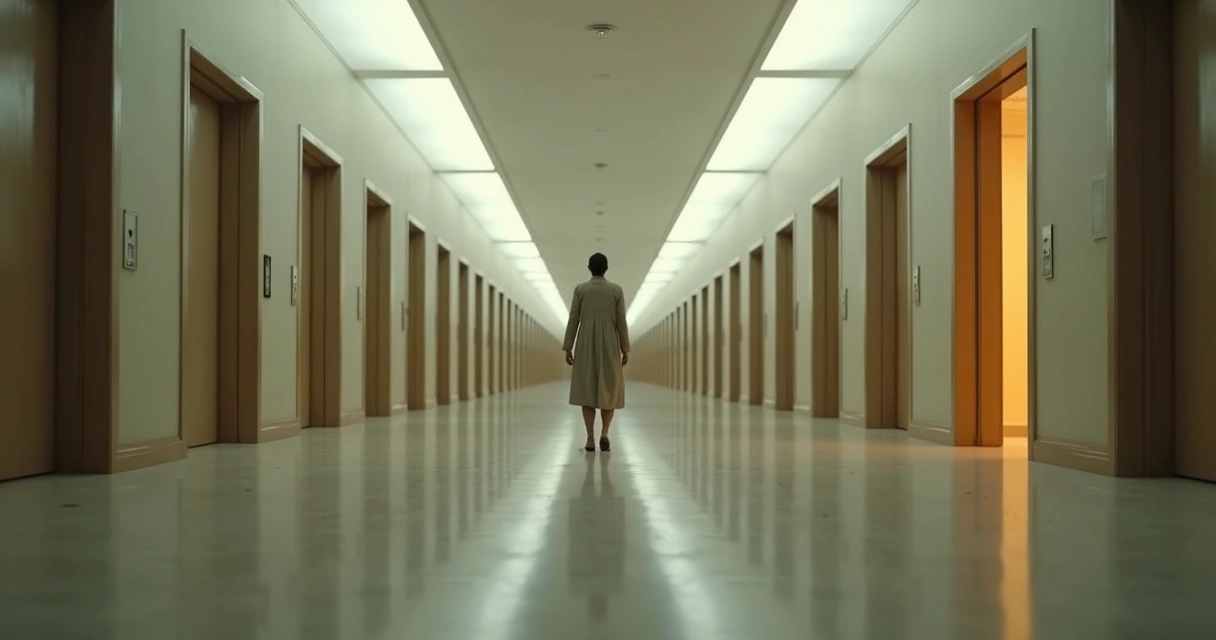


We live in a pace that rarely allows space for a genuine pause. Irritations and demands pile up, and suddenly a short moment turns into a spiral of automatic reactions. Most of us have been there—saying something harsh in a meeting, sending a message we later regret, losing ourselves in a wave of emotion that later feels disconnected from who we really are. What if we could change this? What if the space between stimulus and response held real power? In our experience, it does.
Understanding the difference between reaction and intention
Reaction is a reflex; intention is a choice. Picture a co-worker making a sarcastic remark. The automatic reaction might be defensiveness, withdrawal, or a biting comeback. These moments come fast because they are powered by old emotional scripts and habits written deep into our minds over years.
Intention, on the other hand, means we decide how to respond. It happens when we insert a pause. Within that pause, we gather our energy, consider the bigger picture, and choose with awareness. This shift might not sound huge, but it can change everything—even quietly.
Between stimulus and response, there is a space.
That space is the pause. In it, we can remember our values, connect with a more stable sense of self, and find a response aligned with what matters most—for us and for others.
The science and wisdom behind the pause
Neuroscientists have shown that when we face stress, our “lower” brain circuits activate before our higher-order thinking. Emotions often rise before reasoning. But with practice, we can train ourselves to slow down these circuits. Across different traditions, the power of pausing before acting is viewed as a mark of maturity and conscious living.
We believe this pause is not just a mental practice but a statement: We are not prisoners of our history, moods, or even our thoughts. In that split-second between feeling and reacting, we have the freedom to choose again.
Everyday therapy: practical pause exercises
In our experience, this skill is less about theory and more about daily life. We have seen that the following practices help build the “pause muscle.”
- Mindful breathing: Before answering a stressful email, take three slow breaths. Feel the air flow in, then out. Even five seconds can clear the fog.
- Name the feeling: When agitation rises, pause and silently name your main feeling. “I feel anger.” Naming helps reduce its grip.
- Ground in your senses: Notice physical sensations—feet on the floor, hands on the chair. This grounds you in the present, not past stories or future worries.
- Question your impulse: Ask, “Is my urge right now helpful or harmful?” Pause and listen before moving forward.
- Recall values: Mentally remember what quality you wish to embody right now—patience, courage, or honesty. Let this guide your next step.
People often tell us that these simple tools begin slowly but pay off as soon as we try them. The point is not to suppress emotion but to meet it with clarity, allowing awareness to shape action.

Why do we react automatically?
Strong feelings spark quick actions for a reason. Our brains associate present moments with old experiences. When we’re under pressure, our systems search for quick solutions, and the easiest path is the familiar one—react. But the cost can be high: trust gets damaged, energy gets scattered, and our own peace slips away.
We have seen that the habits of reaction are not weaknesses but signals. They point to parts of us—hurts, hopes, or desires—that ask for healing or recognition. In other words, a strong reaction is not only something to control but also something to learn from.
How does pausing shift relationships?
Reflect on your best conversations and your worst arguments. In our case, what separates the two is not content but tone and timing. When we act with intention, communication slows down. Misunderstandings reduce. Respect grows.
The pause is a gift to ourselves and to others, not a withdrawal but a sign of real engagement. When we take that tiny space to breathe, notice, and reflect, we choose our next words or actions with more care. Rather than fueling conflict, we become the steady point in a storm of impulses.
The pause under pressure
We know that pausing is harder when emotions run high, deadlines loom, or big decisions must be made. In those moments, the pause might feel unnatural. That is normal. The first few times, our bodies and minds might demand we keep moving—but with practice, even a single breath can change the emotional climate of a tense call or a difficult encounter.
Sometimes, we need visual cues to remember the pause: a sticky note on a monitor, a small stone in a pocket, or an alert set on the phone. It’s not overthinking—it’s about building a new pathway.

When the pause uncovers deeper needs
What we have realized is this: sometimes a pause brings discomfort. Uncomfortable feelings surface. We may see pain, fear, disappointment, or an old belief running the show. If so, that is not a sign of failure. It is growth.
In our view, this is where real change begins. Instead of acting out old scripts, we can see them, reflect, and create a new response. Over time, the pause stops being a struggle and becomes a homecoming—to a wiser, steadier part of ourselves.
When a pause changes everything
Imagine a parent about to snap at a child after a long day, but pausing just long enough to remember patience. Picture a manager facing harsh criticism who takes a breath, sits quietly, and chooses curiosity over defense. We have seen these moments shape not just conversations, but lives.
With every pause, we move from living out old habits to shaping our present and our future with intention.
Conclusion: The freedom in every pause
We think the pause is more than a break in the action. It is a doorway to more skillful choices, deeper self-understanding, and better connection with others. By building in this small gap, we remember that we always have options. In the pause, old stories lose their hold, new stories can begin, and both the present and the future can be shaped by what matters most to us.
As we practice, moments of awareness become more common, not less. Responses grounded in intention rather than impulse feel lighter.
The pause is not the absence of action, but its most mindful beginning.
Every one of us can start, right now, with one breath, one pause, one more intentional choice.
Frequently asked questions
What is the power of the pause?
The power of the pause is to create a space between feeling and action, giving us the ability to choose our next step, rather than react automatically. In this space, we find clarity and can align our response to our deepest intentions.
How can I switch from reaction to intention?
Start by noticing moments when you feel triggered or want to act quickly. Practice taking a few breaths, naming your feelings, and asking yourself what response would serve your values. Over time, this practice rewires your habits from automatic reaction to intentional response.
Why is pausing before reacting important?
Pausing before reacting helps us interrupt unhelpful patterns, reduce regret, and improve our relationships. It lets us access wisdom and perspective, even during stress, so that our actions reflect our chosen priorities, not short-term impulses.
How do I practice intentional responses?
Intentional responses are built by practicing pausing during daily challenges. Use mindful breathing, sensory focus, and value-based reminders as tools. When an urge to react comes up, remember to pause, reflect briefly, and choose your next step consciously.
Is it worth it to pause before acting?
Yes, pausing before acting gives us greater self-control, supports healthier relationships, and improves decision-making. Even brief pauses can help change patterns over time, leading to increased calm, resilience, and satisfaction with our actions.