
Every community has a story—a way it sees itself and others. Sometimes, this story runs beneath the surface, quietly shaping which voices are heard, which doors open, and even what we accept as normal. We tend to think of decisions in our neighborhoods, workplaces, or social groups as rational or fair. But there’s a hidden layer: unconscious bias.
What do we mean by unconscious bias?
Unconscious bias refers to automatic attitudes or stereotypes that affect our understanding, actions, and choices without our deliberate knowledge. These stem from social upbringing, culture, personal experiences, and collective narratives. We all have them. Most of us rarely stop to notice them, yet their influence stretches quietly through every part of life.
Unconscious bias is not something that only certain people experience—it’s a universal part of being human.
How unconscious bias begins
From early childhood, we pick up cues from people and stories around us. We learn who is “safe,” who is “like us,” and who isn’t. This process is rarely spoken. But it takes root. Imagine how a child may internalize these unspoken lessons:
- Who gets praised in class?
- What jobs seem open to certain people?
- Who is trusted or feared?
- Which languages, clothes, or customs seem “normal” or “strange”?
As we grow up, these biases are almost invisible—until we try to notice them. By adulthood, our community’s invisible codes have shaped what feels true or possible.
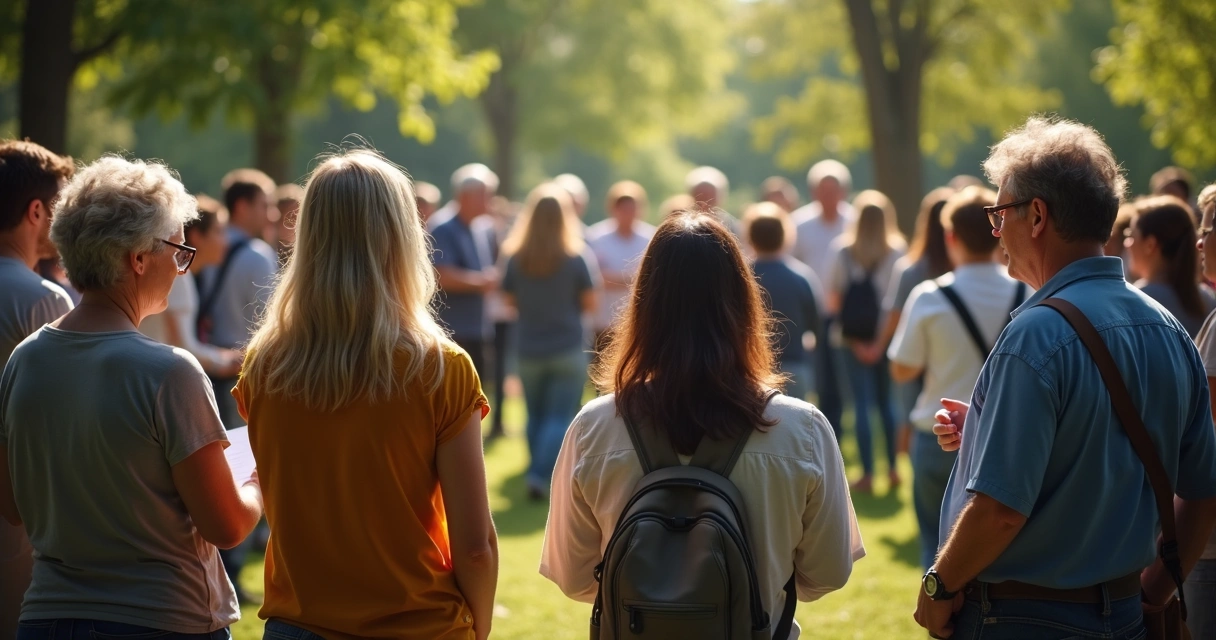
The silent architects of community culture
We may think of bias as a flaw, but it’s really a shortcut the mind takes—saving effort in a crowded world. Still, when these shortcuts are left unchallenged, they quietly guide everything from who gets invited to community meetings to who shapes neighborhood policies. When we’re not aware of these patterns, they can decide:
- Which community projects get funding.
- Whose stories appear in local news or history.
- Who is more likely to be believed or doubted.
- Which problems are treated with urgency, and which are ignored.
- Who feels welcomed or isolated at community events.
Over time, these patterns can become so familiar that we mistake them for the way things are supposed to be.
Bias shapes what feels “normal.”
Invisible walls and missed voices
We all want to belong. But when bias sets boundaries around inclusion, many people feel left out. This isn’t always loud or obvious. Sometimes, it’s the quiet discomfort in a room where nobody looks like you. It’s a story that doesn’t match your experience or rules that complicate your participation.
Unconscious bias also affects leadership. If certain types of people are seen as “natural leaders,” others may be consistently overlooked, no matter their skill or heart for the community’s needs.
The ripple effect on collective decisions
Our collective choices are not only shaped by what we say, but by the things we rarely stop to question. When bias goes unchecked, it can spill over into:
- How resources are shared.
- Which traditions are celebrated or forgotten.
- How problems such as safety, health, or education are defined and addressed.
- Who feels ownership over public spaces and decisions.
We have seen neighborhoods divided, not by open arguments but by subtle, persistent patterns. This is how communities, even when well-intentioned, can unintentionally reinforce barriers rather than build bridges.
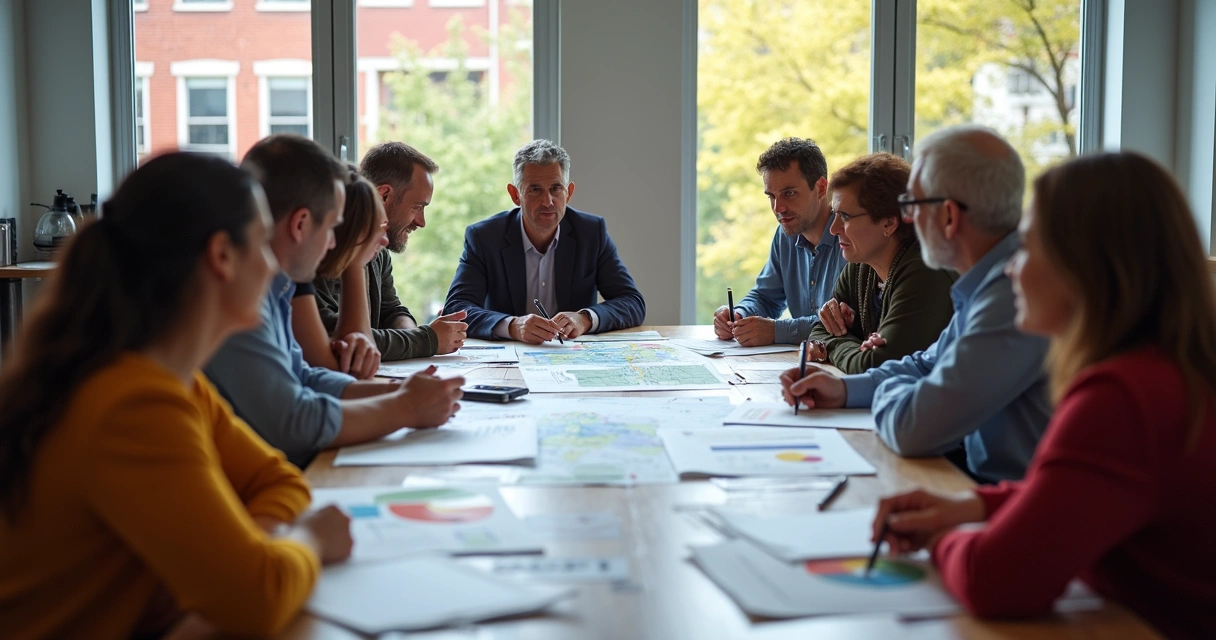
Becoming aware: how can we recognize our own bias?
Bringing these patterns to the surface is both simple and challenging. Simple, because it can start with a single question: “What am I not noticing?” Challenging, because bias hides in our blind spots. In our experience, the process of becoming aware often involves:
- Looking at who speaks most often in meetings, who sits quietly, and why.
- Examining what stories are missing from the community narrative.
- Reflecting on moments when we make quick judgments—about someone’s intentions, skills, or values—without any real reason.
- Inviting feedback from people with different experiences.
Acknowledging unconscious bias is not a shame—it’s an act of responsibility and maturity.
Stories shape the mind—and the community heart
When we slow down to notice whose stories are honored or ignored, we begin to see the code inside our collective consciousness. The old stories—the ones that feed bias—can be replaced by new ones: stories about shared effort, real inclusion, and inner growth.
We think about a local celebration where, after years of familiar traditions, new voices suggested fresh music and food. At first, some resisted. “We’ve always done it this way.” But curiosity opened a door. That year, the celebration was different. Afterwards, neighbors described a bright feeling. They saw the community’s true colors.
When bias is named, healing begins.
Moving through bias with intention
Once we acknowledge unconscious bias, we’re not finished. The next step is steady, ongoing work to invite awareness and change. We have seen that the most effective approaches include:
- Creating space for honest conversations, even when they are uncomfortable.
- Setting up community mentorship where different voices are encouraged to grow and lead.
- Changing habits around planning and decision-making, making sure they aren’t only shaped by a small group.
- Celebrating new stories, and listening to feedback—including criticism—without defensiveness.
Intention combined with humility is more powerful than any policy alone.
Bringing unconscious bias into the light
The heart of every community is not just the people, but the unseen agreements we make about who belongs and what matters. These agreements live inside us as bias, even when we wish we were free from them. Awareness is the way forward.
Change starts in the unseen places of the mind.
Conclusion
When we speak of community, we speak not only of buildings or events, but of the unseen patterns that guide us every day. Unconscious bias is an ordinary part of human life, yet it can quietly hold back the promise of our groups, schools, and neighborhoods. By choosing to notice its presence, we make room for new voices and new stories. This work does not end, but it does become easier each time we choose maturity over habit, and kindness over comfort. In our experience, the communities that thrive are those willing to look within, to question, and to choose again, together.
Frequently asked questions
What is unconscious bias in communities?
Unconscious bias in communities means holding automatic assumptions or stereotypes about people or groups without being aware of them. These biases shape how we interact, who we include, and what we see as normal in our community, often without us noticing.
How does bias impact community decisions?
Bias can influence which voices are heard, who takes on leadership, and how resources are shared. When left unchecked, it can lead to some groups benefiting more than others, even if everyone has good intentions. Unconscious bias often makes decisions less fair and limits the diversity of ideas in a group.
How can I recognize my own bias?
Start by asking yourself questions in situations where you make quick judgments or feel strong reactions. Pay attention to who you trust, include, or overlook in group settings. Listening to feedback from people with different backgrounds also helps. The key is to notice your patterns without blame—only awareness can lead to change.
What are examples of unconscious bias locally?
Examples include always inviting the same people to organize events, trusting certain local shops or services over others because of assumptions, or ignoring suggestions from those who are new to the area. It can also appear in how some issues get more attention at town meetings, depending on who brings them up or who is affected.
How to reduce bias in my community?
You can reduce bias by inviting different voices to be part of decisions, learning about your community’s history, and creating space for honest conversations about belonging. Structured mentorship, regular feedback, and inclusive celebrations also help. Lasting change comes from making awareness and openness part of everyday life in your community.